

This is how the second generation of one of Ribera del Duero's main wineries is reshaping Spanish wine

Every year, Salón Gourmets is an unmissable opportunity to take the pulse of the evolution of Spain’s gastronomic culture. And, since it is impossible to talk about gastronomy without wine, the event also serves as a revealing indicator of the direction in which wine brands and DOs, both large and small, are moving as they try to revitalize a market showing increasingly worrying signs of decline.
The scale of the fair is staggering, almost overwhelming in size. Five pavilions in the Madrid Fairgrounds unfold into an endless display of colors, aromas, and flavors for more than 100,000 visitors, professionals, and international industry players.
We could dedicate several articles to Salón Gourmets alone, and to the way it simultaneously reflects and shapes the wine industry. But if you have been following my articles for some time, or if you simply keep up with wine market news, you will know there is one key angle through which to look at events like this: how is the industry addressing changing consumption habits and generational transition?
As a wine strategy and communication consultant, this is a challenge I deal with every single day, and something I write and post about often. Here and here are some of my favorite articles on the topic.
With this question in mind, I attended the Cepa 21 tasting, entitled ‘From the vineyard to the glass with José Moro’ at which the president of the winery and second generation of the Emilio Moro family, presented the new vintages of his personal project. At the end of this article, I’ll share a short video excerpt from the tasting.
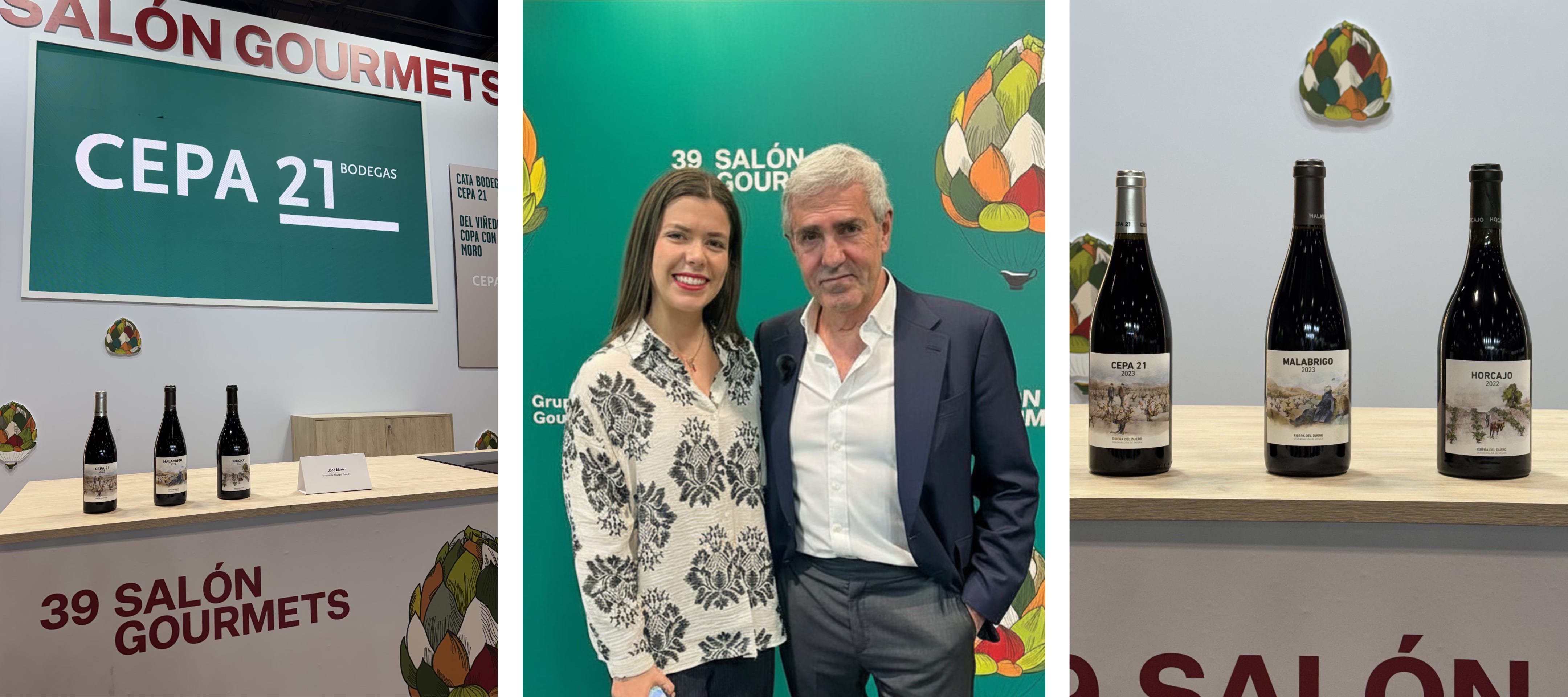
A bit of context: diving into the Moro’s legacy
Cepa 21 is José Moro’s new independent project, launched by the second generation of the iconic Emilio Moro winery, founded in 1987 in the heart of Ribera del Duero’s “Golden Mile.” For those unfamiliar with its relevance, Emilio Moro is one of the most influential and internationally recognized wineries in Spain. In fact, its 1989 Emilio Moro Crianza was named Best Wine in Spain by the magazine Vino y Gastronomía.
Having inherited both the winery and his father’s entrepreneurial instinct, José Moro became, in 2019, the first winemaker ever included in Forbes Spain’s list of the country’s 100 leading innovators in business. From there, he stepped beyond the family flagship to launch his own, more modern and innovation-driven project: Cepa 21, in 2022.
His reflections during the tasting, delivered in a tone far less classical and conservative than I expected, made it clear that adapting to generational transition and shifting consumption habits is both possible and necessary for every type of wine brand and market segment.
Approachable wines for difficult times
“Tastes are changing. Consumers are asking for approachable wines.”
Although this statement does not reveal anything the specialized wine press, often wrapped in a somewhat sensationalist and dramatic tone, has not already repeated endlessly over the past few years, hearing it directly from José Moro opens the door to a line of reasoning the wine sector often refuses to confront:
The wine consumption crisis is, to a large extent, self-inflicted.
Like many market bubbles preceding this one, demand saturation could have been corrected before reaching the current state of oversupply. But it was easier to hide the numbers behind arrogance and overconfidence, inside a distorted illusion of reality.
Too often, especially from within the industry itself, wine is treated primarily as an artistic creation rather than a product, only to then be sold within the same commercial framework as any other consumer good. And with his entrepreneurial mindset, this is precisely the difference behind José Moro’s success with Cepa 21.
I also explore this idea, though in a somewhat more poetic way, in one of my favorite articles:

Full speed ahead for real change
During the tasting, entry-level wines priced below €10 coexisted alongside bottles such as Horcajo, priced above €80, without ever abandoning the pursuit of terroir expression, quality, or identity. And that dismantles another of the wine industry’s favorite false dichotomies: the idea that making more accessible wines necessarily means sacrificing technical ambition.
“We had to change the viticulture and we had to change the winemaking process in order to make the wines today’s consumers are demanding.”
That sentence contains, in many ways, the central point of this article. The relevance of José Moro’s statements does not lie in them being radical or disruptive. We are not talking about a small experimental garage vigneron fermenting natural microvinifications on a half-hectare plot. Nor about an outsider discourse attempting to challenge traditional wine culture from the margins.
Rather quite the opposite. We are talking about one of the families that helped build the contemporary prestige of Ribera del Duero and, more broadly, of modern Spanish wine itself. A consolidated winery with decades of history, international distribution, and a business model already validated by the market.
Of course, any corporate discourse should still be approached with a pinch of salt. Business will always remain at the center, and Cepa 21 continues to operate comfortably within a classic, commercially successful wine model. But that is precisely what makes it relevant.
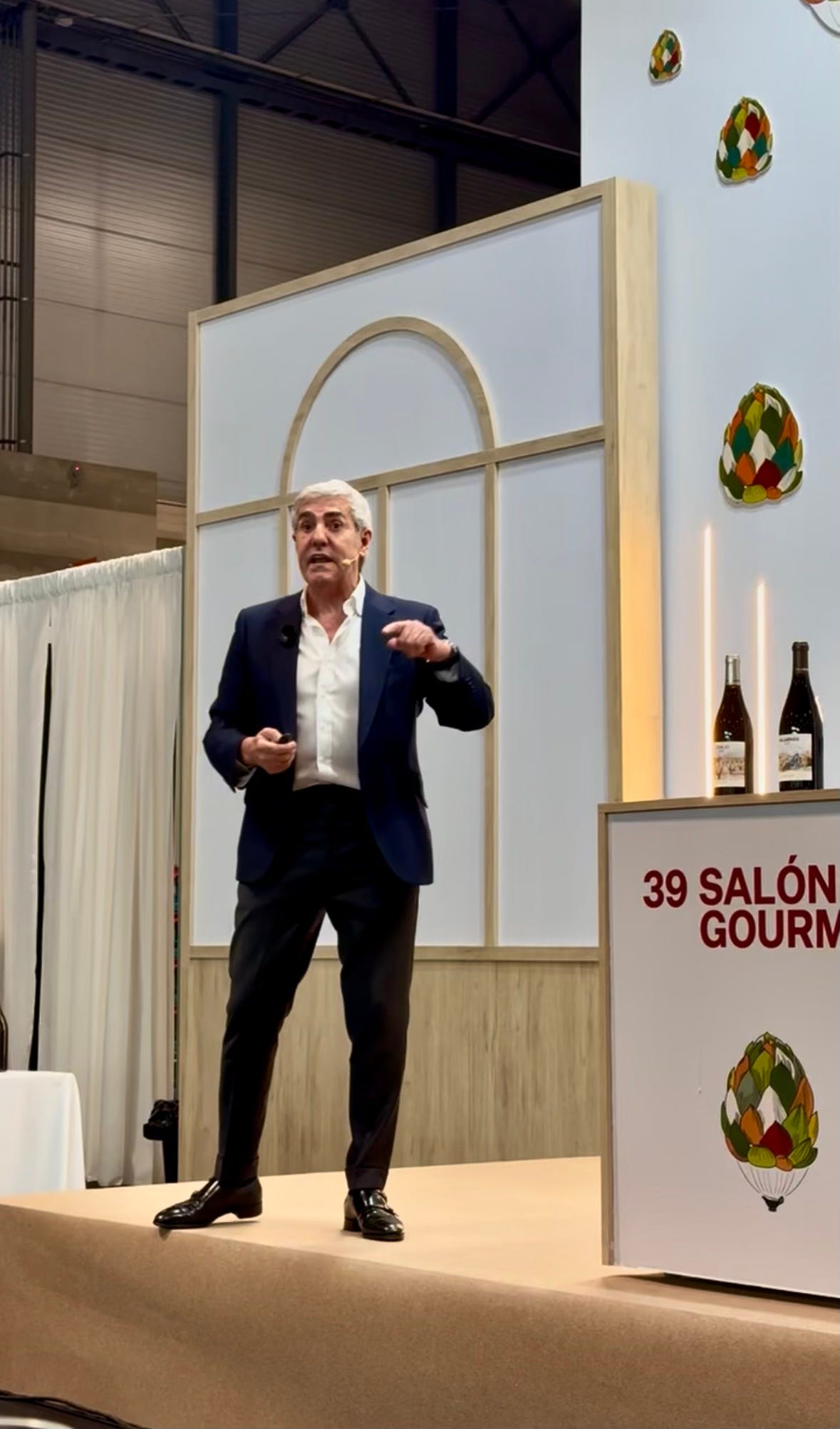
Because when someone like José Moro — businessman, heir to one of Spanish wine’s great family legacies, and a clear representative of the sector’s traditional generation and aesthetics — starts talking about approachable wines, more relaxed consumption, new consumers, and stylistic adaptation, it becomes one of the clearest indicators of change possible.
That there is finally an awareness that the wine industry needs to invite a new consumer in.
And not only through young or alternative projects, but from within historic wineries and consolidated business structures themselves. A large winery, one that fits perfectly within the descriptor of the “old school,” is bringing these concepts directly into the front line of the wine conversation.
As promised, I’m leaving you here with a short video excerpt from the tasting, in which José Moro shares his thoughts on the transition currently taking place in the wine consumption market.
I’m glad that wines from Ribera del Duero will be more accessible to a wider market, as I lived in Valladolid many years ago. Hopefully some of these wines will be available in the States!
Súper interesante tu análisis